
ACE Plant warns – 2026 is the Year Construction Must Wake Up to Whole-Body Vibration (WBV)
2026 is the year when Whole-Body Vibration (WBV) moves from a background nuisance to a front-line occupational health issue. As longer operating hours, heavier plant usage, and more complex infrastructure projects mean workers are facing higher levels of vibration exposure than ever before.
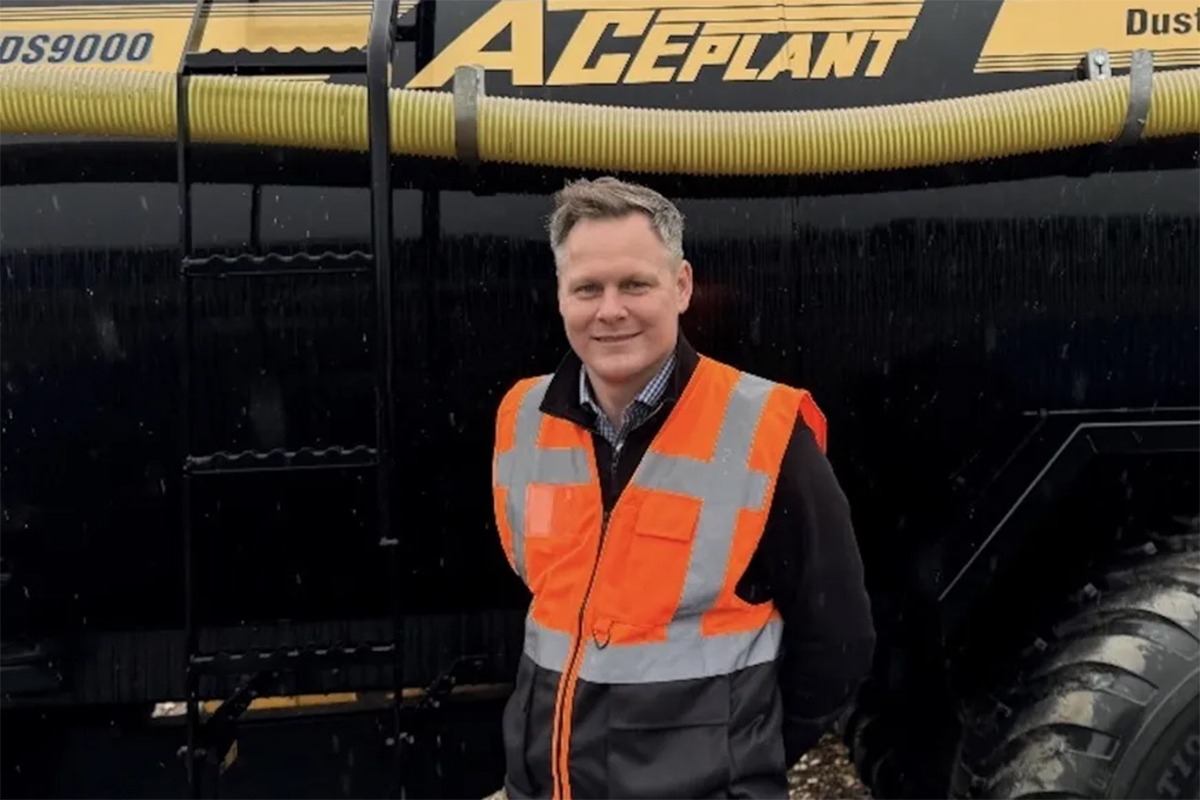
Neil Hedley, Operations Manager of Ace Plant UK comments: “For decades, operators of excavators, dumpers, rollers, dozers, and telehandlers have accepted vibration as ‘part of the job’ until now.”
“The law has been clear since the Control of Vibration at Work Regulations 2005. Employers must monitor and manage exposure, keeping it below the Exposure Action Value of 0.5 m/s? and never exceeding the exposure Limit Value of 1.15 m/s?. What is changing in 2026 is the way compliance is being enforced.
Regulators are scrutinising more closely, expecting robust evidence of risk assessments, mitigation measures, and long-term monitoring. Assumptions and generic statements will no longer suffice, and this is a year where action, not theory, matters.”
The effects: chronic back pain, spinal damage, fatigue, reduced concentration, and long-term musculoskeletal disorders are no longer theoretical. They are real, measurable, and unavoidable if left unchecked.
At the same time, the industry’s focus on health and wellbeing is intensifying. WBV is no longer just a compliance box; it affects productivity, absenteeism, and long-term employee retention. Contractors and hire companies alike are realising that protecting workers is no longer optional it is essential.
In short, 2026 is a tipping point. Enforcement is tightening, exposure is rising, and expectations for workforce wellbeing have never been higher. Those who act now, measuring, managing, and mitigating WBV exposure, will not only protect their workforce but will set the standard for an industry that has ignored vibration for too long.
Neil Hedley concludes, “This is where hire companies like ACE Plant Ltd are stepping up, through data-led testing, benchmarking, and operator education, we are helping contractors and those that hire from us, to understand what WBV looks like and how to manage it before it becomes a chronic problem. For construction, whilst WBV has always been part of the job, uncontrolled WBV does not have to be. 2026 is the year the industry wakes up.”
By Neil Hedley, Operations Manager, Ace Plant Ltd